Social Media for Wedding Planners: Book More Couples in the US and UK
Introduction: Why Social Media for Wedding Planners Matters
Social media for wedding planners matters because couples shop with their eyes first. Long before they send an inquiry, they save tablescapes, scroll Reels of first dances and screenshot floral arches they love.
However, a wedding planner sells something harder to photograph than flowers: calm, organization and judgment. The best feeds show the pretty results and the quiet skill behind them. Therefore, this guide covers which platforms matter, what to post through the year, how to turn views into consultations, the consent and disclosure rules in the US and UK, and a routine that survives peak season.
Choosing the Right Platforms
Social Media for Wedding Planners on Instagram
Instagram is still the portfolio most couples check before they book. Consequently, a planner needs a clear bio, recent Reels and tidy Highlights for services, reviews and FAQs. Our guide to Instagram Highlights shows how to organize them.
Pinterest for Long-Term Discovery
Couples often start planning on Pinterest months before they choose suppliers. Moreover, a pin can keep sending visitors long after you post it, which suits seasonal work. The official Pinterest Business site explains business accounts, and our Pinterest marketing guide covers boards and keywords.
TikTok for Personality
TikTok rewards planners who show the real job, including the chaos. For example, a calm voice-over of a rained-off ceremony moved indoors can reach people far beyond your followers.
Keep It Focused
Two platforms done well beat four done badly. Therefore, pick one portfolio platform and one discovery platform, then post on both every week.
What to Post Through the Year
Behind the Scenes on the Day
Film the set-up, the timeline on your clipboard and the last-minute fixes. Additionally, couples love seeing what a planner actually does; our guide to behind-the-scenes content has more formats.
Before and After of the Venue
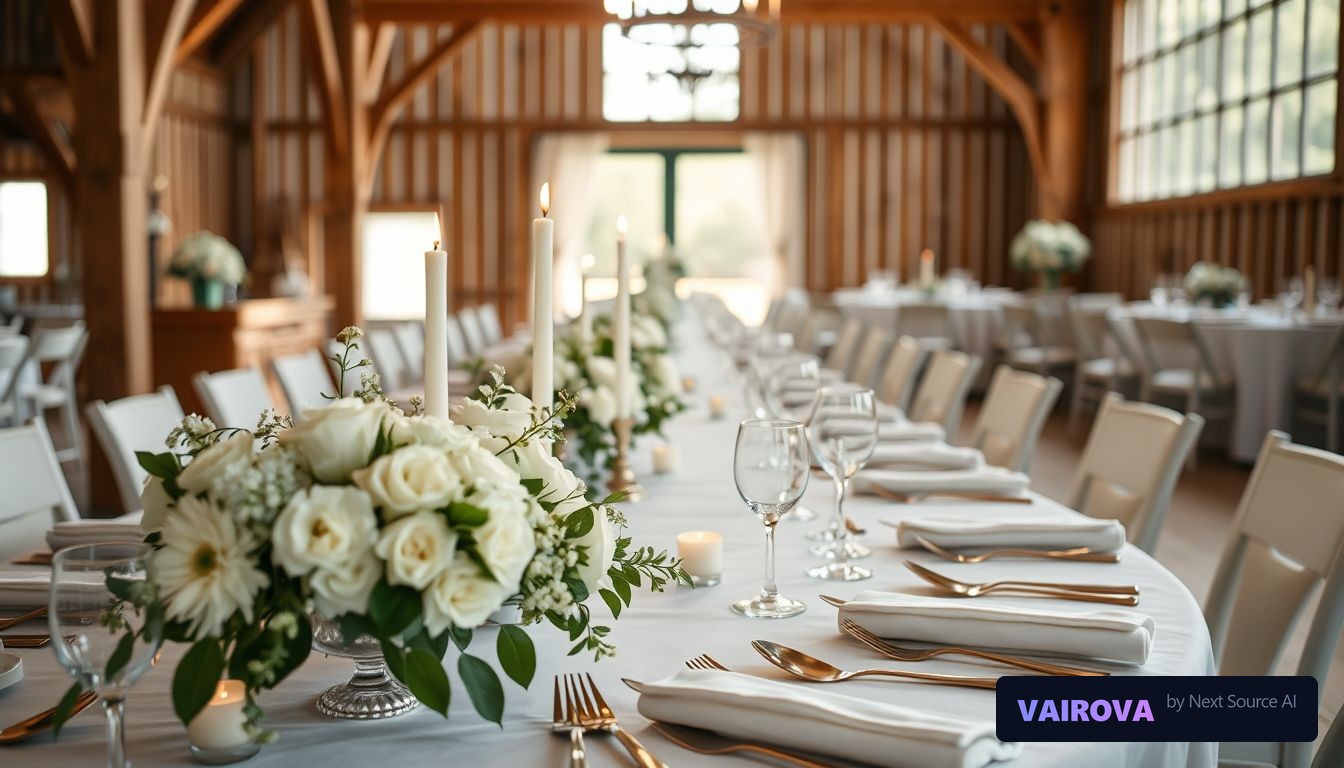
Show the empty barn or ballroom, then the finished room from the same angle. Consequently, viewers instantly understand the value of planning and design.
Planning Tips for Engaged Couples
Share budget tips, timeline checklists and questions to ask venues. Furthermore, helpful posts get saved and shared, which tells the platforms your content is worth showing.
Real Couple Stories
With permission, tell short stories of how a wedding came together. Our guide to customer testimonial videos explains how to film them simply.
Turning Views Into Consultations
Say Where You Work
Mention your city, region and the venues you know in captions and on screen. Therefore, couples planning a wedding in your area know you can help.
Make Booking Easy
Put a consultation link or inquiry form in your bio, not just a homepage. Our link in bio guide shows how to keep it to one clear action.
Show Proof
Share reviews, styled shoots and supplier credits, with consent. Similarly, a Google review link, managed through your Google Business Profile, gives couples a second place to check you.
Reply Quickly and Warmly
Engaged couples often message several planners in the same week. Consequently, a fast, personal reply can matter as much as the portfolio itself.
Consent, Credits and Disclosure Rules
Get Consent From Couples and Guests
Wedding photos show faces, children and sometimes private family moments. In the UK, the ICO explains data protection duties for businesses. Therefore, put social media consent in your contract, respect couples who want privacy, and avoid posting guests who have not agreed.
Respect Photographers' Copyright
The wedding photographer usually owns the copyright in their images, even when you appear in them. The US Copyright Office and GOV.UK guidance on copyright explain the basics. Consequently, ask permission, credit the photographer and agree usage terms in writing.
Disclose Gifted and Paid Content
If a venue, florist or brand pays you or gives you free services in return for posts, that is advertising. The FTC's endorsement guides cover the US, and the ASA's influencer guidance covers the UK. Therefore, label these posts clearly.
Keep Claims Honest
Avoid claims such as "the top planner in the state" unless you can prove them. Moreover, never post fake reviews or present a styled shoot as a real wedding.
A Routine That Survives Peak Season
Capture Five Clips Per Wedding
Film the empty room, the set-up, one detail, the finished room and one quiet moment you are allowed to share. Therefore, every event fills your content library without extra shoots.
Batch Posts in the Quiet Months
Winter is often quieter, so plan and edit ahead then. Our guide to content batching shows how to prepare weeks of posts in one sitting.
Add Captions to Every Video
Many people scroll with the sound off. Consequently, on-screen text helps, and our guide on how to add subtitles to videos explains the quick way.
Track Where Inquiries Come From
Ask every couple how they found you, and note the answer. Additionally, review the list each quarter to see which platform deserves more time.
A Practical Example
The Situation
Consider an illustrative wedding planner in Manchester who also took destination weddings for US couples. Most bookings came from venue referrals, and the Instagram feed had not been updated for months.
The Change
The planner began filming five clips per wedding, with consent written into every contract, and posted three Reels a week. Furthermore, each Reel became a pin, and the bio linked straight to a consultation form.
The Result
Inquiries mentioning Instagram or Pinterest grew over the following season, and several US couples said they found the planner through saved pins. Results like this are illustrative and depend on market, pricing and execution. Nevertheless, consistent behind-the-scenes clips are one of the most dependable formats for planners.
How Vairova Can Help
Vairova turns your event clips into short-form videos with hooks and captions, then auto-posts them to TikTok and Instagram on a schedule. Consequently, your feed stays active in peak season, when you have the least time to post. Start your free Vairova trial, or compare plans on our pricing page.
Conclusion
Social media for wedding planners works when it shows both the beautiful results and the calm skill behind them. Therefore, choose two platforms, film a few clips at every wedding, make booking easy and reply quickly. Above all, get consent, credit photographers and disclose paid partnerships. If you want your clips posted consistently through the busy months, start a free Vairova trial.
Frequently Asked Questions
Q: What is the best platform for social media for wedding planners?
A: Instagram is usually the main portfolio, and Pinterest adds long-term discovery. Furthermore, social media for wedding planners works best when both link to a simple consultation form.
Q: What should wedding planners post on Instagram?
A: Behind-the-scenes clips, venue before-and-afters, planning tips and real couple stories work well. Additionally, mention the area and venues you cover.
Q: Do I need permission to post photos of a client's wedding?
A: Yes, get consent from the couple, ideally in your contract, and respect guests who decline. Moreover, ask the photographer before reusing their images.
Q: Do wedding planners need to disclose free services from suppliers?
A: Yes, gifted or paid posts are advertising and need clear labels. Therefore, follow FTC guidance in the US and ASA guidance in the UK.
Q: How often should a wedding planner post?
A: Two or three posts a week is realistic for most planners. Consequently, batching content in the quieter months keeps the feed active in peak season.
Q: Can TikTok bring wedding planning clients in the UK?
A: Yes, short behind-the-scenes clips can reach engaged couples who have not found you yet. However, always link TikTok to a clear inquiry route.
Disclaimer
This article offers general marketing guidance current as of October 2026 and is not legal advice. The Manchester planner example is illustrative. Data protection, copyright and advertising rules, and platform features, change over time, so confirm current requirements with the ICO, ASA, FTC and the platforms' own help pages. No approach guarantees bookings.